
Changing your running shoes: why they can overload your ankle and how to adapt
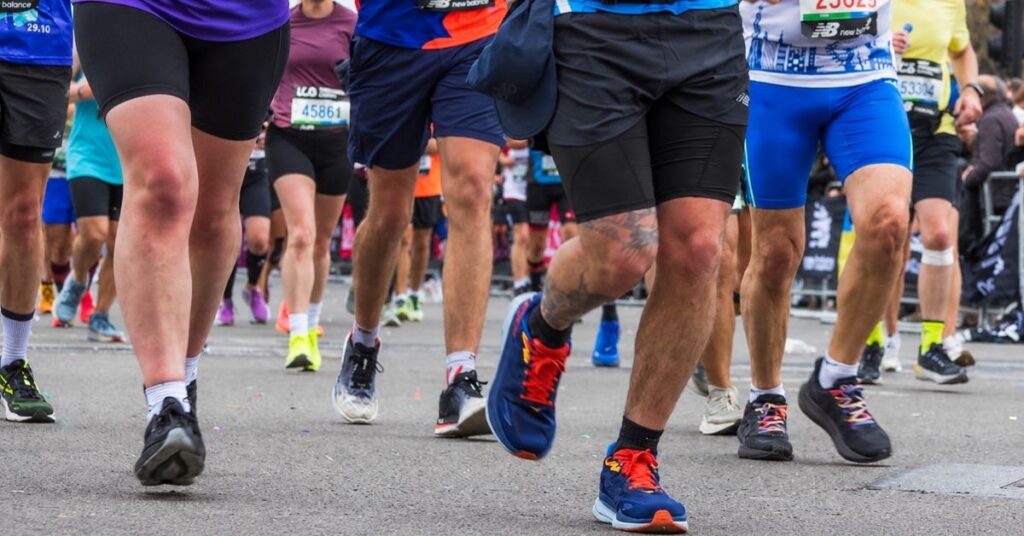
Changing your running shoes can alter how your weight is distributed while running, especially when features like heel-to-toe drop, cushioning, or stiffness change. While wearing a new model doesn't necessarily mean you'll get injured, a sudden transition can lead to discomfort in your feet, calves, or ankles.


It's a situation familiar to many runners and triathletes: they replace their usual shoes with a different model, start using it in all their training sessions, and after several sessions, discomfort appears that they didn't have before.
Changing your shoes isn't always the culprit, but it can be one of the factors worth checking, especially if it coincides with an increase in mileage or training intensity.
Carlos Revuelta, director of the Master's Program in High-Performance Sports at the European University, explains that differences between running shoes can alter how certain muscles and tissues function. Therefore, he recommends paying attention to the adaptation process, especially when the new footwear offers less cushioning or protection.



Why might discomfort occur when changing shoes?
During running, the feet, ankles, and leg muscles work together to absorb and transmit forces. Footwear characteristics can influence this process, although the response also depends on running technique, speed, and the runner's individual characteristics.
One of the best-known elements is the drop , the difference in height between the heel and the forefoot of the shoe. Cushioning, flexibility, sole geometry, and overall stability also play a role.
When you switch from conventional shoes to minimalist ones, with less material underfoot, the support patterns and mechanical demands on certain structures can change.
A scientific review published in 2023 indicates that running with minimalist footwear can increase energy absorption in the ankle and that a sudden transition can increase the risk of discomfort or injury.
This doesn't mean that minimalist shoes are inherently harmful, nor that all new shoes cause overuse injuries. The important thing is to assess how much the footwear differs from your previous shoes and how your body responds.
The mistake of wearing new shoes and maintaining the same training load
One of the most important aspects to watch out for is the accumulation of changes. Breaking in a completely different pair of shoes while simultaneously increasing mileage, intensity, or elevation gain can make adaptation more difficult.
Revuelta recommends avoiding sudden increases in activity. She explains, "It's important to gradually increase both your footwear and the type of exercise you do."
This recommendation is especially relevant for triathletes who accumulate several weekly running sessions in addition to cycling and swimming training. To understand the importance of load management, you can also consult our information on overuse injuries during training.
Those returning to activity after a period of inactivity or with a history of foot and ankle problems should also pay special attention.
How to adapt to a new pair of running shoes
The adaptation process must be adjusted to the differences between the old and new shoes. It's not the same to replace one pair of shoes with another of the same model as it is to start using shoes with a significantly different geometry, cushioning, or drop.
When the change is significant, a prudent option is to introduce the new shoes on short, comfortable runs , initially alternating them with the usual ones.
During the first sessions, it is advisable to observe how the feet and legs respond, without forcing the adaptation if discomfort appears.
It is also advisable to avoid the premiere coinciding with a significant increase in running volume or with particularly demanding sessions.
There is no universal number of kilometers or exact timeframe for adapting. The runner's experience, the characteristics of the footwear, and individual response all influence the process.
Revuelta advises prioritizing comfort and choosing suitable shoes for the activity you are going to do, paying attention to the heel fit and stability.
Do shoes with more cushioning better prevent injuries?
The relationship between cushioning and injuries is more complex than some commercial messages may suggest.
A Cochrane review published in 2022 , which compiled 12 trials with 11.240 participants, found no consistent evidence that a particular type of shoe reduces lower limb injuries compared to other models.
The authors noted that the certainty of much of the evidence was low or very low. They also found no evidence that choosing shoes solely based on foot type reduces injuries, although the studies comparing these findings were conducted with military personnel.
A narrative review published in April 2026 also highlights that biomechanical changes produced by footwear do not always translate into proven differences in injury rates.
Therefore, more cushioning does not automatically mean greater protection , just as a lightweight shoe or one with a lower drop is not necessarily better for all runners.
The choice should consider comfort, intended use, experience, and history of discomfort.
When should you worry about pain when wearing new shoes?
Noticing different sensations with new running shoes doesn't necessarily mean there's an injury. However, persistent pain, pain that increases during running, or pain that alters your running form shouldn't be considered normal as part of the adaptation process.
Revuelta recommends paying attention to discomfort that does not decrease, localized sensitivity, and the appearance of inflammation.
If these signs appear, it is advisable to stop the activity causing the pain and consult a healthcare professional to assess its origin.
When there is intense pain, significant swelling, or difficulty walking or putting weight on the foot, it is advisable to seek medical attention as soon as possible.
Runners with a history of discomfort in this area can find more information in our guide on Achilles tendinopathy in triathletes.
We also explain what to consider when returning to training after an injury , a process in which it is advisable to avoid sudden increases in training load.
The key is to adapt to the new footwear.
Changing your running shoes is part of the normal running routine and shouldn't cause concern in itself.
The difference lies in recognizing when the new model significantly modifies the characteristics we are used to and adjusting its use gradually.
For those who train several times a week or are preparing for a triathlon, introducing new footwear without simultaneously increasing other demands can facilitate adaptation and help identify potential discomfort.
Ultimately, it's not about avoiding new shoes, but about giving your body time to adapt and not continuing to train when persistent pain appears.
This content has been created with the support of AI tools and reviewed by the Triathlon News editorial team.
